Technology
‘Very important’ evidence found miles from Learjet crash site in Florida, investigator says
By Marcus Chen
Advertisement · Why this ad?
Katherine oversees editorial operations across all six brands. Before joining The Meridan Group, she spent 14 years at the Minneapolis Star Tribune, where she led the metro desk through its digital transformation. She holds a Master's in Journalism from Northwestern's Medill School.
More from Katherine →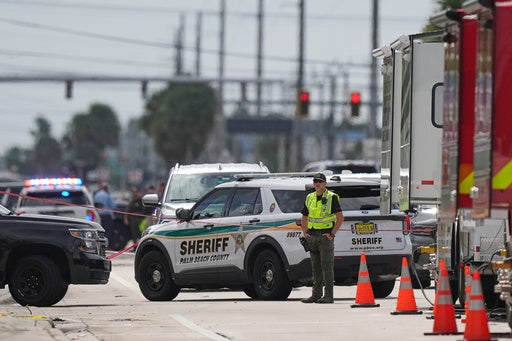
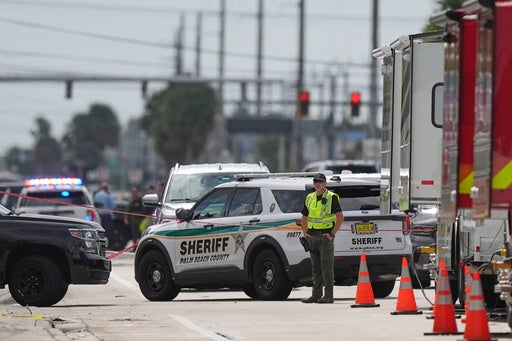
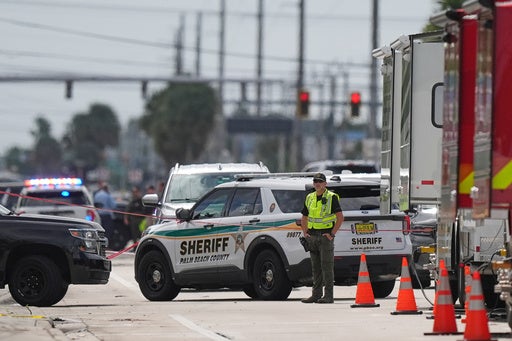
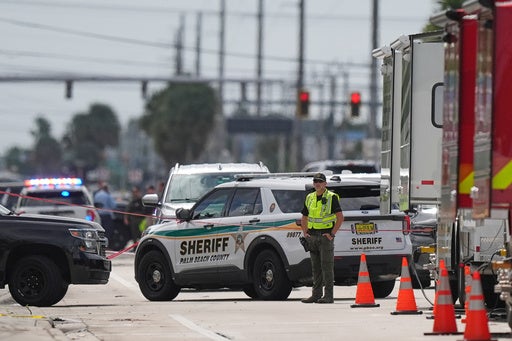
The sun was setting over Greenacres, Florida, on a quiet Sunday afternoon when tragedy struck. A Learjet 60, en route from Austin, Texas, to the Bahamas, plummeted to the ground, claiming the lives of all nine individuals on board. Among them were a family of four, including two young children, and their devoted nanny. As the community mourns the loss of these lives, investigators are piecing together the events that led to this catastrophic accident.
On November 2, 2026, the Learjet crashed just outside West Palm Beach, creating a crater upon impact and igniting a fire that would engulf the wreckage. According to the National Transportation Safety Board (NTSB), a significant piece of the aircraft's left elevator was discovered nearly four miles from the crash site. This crucial component controls the plane's pitch and was found in three separate pieces, indicating that the aircraft was breaking apart before it hit the ground.
Tom Chapman, a member of the NTSB, stated at a news conference that the loss of the elevator likely contributed to the aircraft's inability to regain control during its nosedive. "Without the elevator intact, the pilot would not have been able to pull the Learjet out of its nosedive," Chapman explained. Investigators are now focusing on the weather conditions at the time of the crash, as the co-pilot had reported ice accumulation and significant turbulence just moments before the aircraft went down.
Jeff Guzzetti, an aviation safety expert, suggested that the pieces of the elevator likely broke off during the nosedive rather than being the initial cause of the crash. The discovery of these components close to the ground supports this theory. Freeze frames from videos taken at the time of the incident show the horizontal stabilizer missing from the tail of the aircraft, further corroborating the investigators' findings.
The tragedy has deeply affected the community, especially the families and friends of the victims. Among those who perished was technology entrepreneur Adam Robinson, his wife Helen Sharp, and their two young children, Charlie and Emma. Their nanny, Ana María Ramírez Cetina, was also on board. The Colombian government has reached out to support Ramírez's family during this difficult time.
Angie Alejandra Ramírez, Ana María's sister, shared her heartbreak with the media, recounting her last conversation with her sister just minutes before the flight. "She loved the Robinson family very much, and they also loved her as part of the family," she said. The outpouring of grief from the community reflects the deep connections forged through shared experiences and the love that these families had for one another.
In a show of solidarity, Thomas Noetzel, director of operations at Upper Jets, the company that operated the flight, initiated an online fundraiser to support Jeff Gregory, the plane's captain, and his family. Gregory, a devoted husband and father, was described as a man of faith and integrity. Friends have expressed their sorrow, emphasizing the impact he had on their lives.
The victims of this tragic crash were not just statistics; they were beloved family members and friends. The loss of young lives, in particular, resonates deeply within the community, reminding residents of the fragility of life. In an era where families are often separated by distance and technology, this tragedy underscores the importance of cherishing every moment spent together.
As the investigation unfolds, the community is left to grapple with the emotional aftermath of the crash. Support services and counseling are being made available to those affected, as the need for healing and understanding becomes paramount.
As investigators continue to sift through the wreckage, they are gathering critical evidence to determine the cause of the crash. The NTSB has indicated that a preliminary report will be released within a month, although a comprehensive analysis could take over a year to complete. The focus will include weather conditions, mechanical failures, and human factors that may have contributed to the incident.
In the final moments of the flight, co-pilot Nathalia Gadelha Filgueiras communicated with air traffic control, reporting ice buildup and turbulence that caused the aircraft to oscillate dramatically. Her last transmissions included a chilling acknowledgment of the impending crash: "We’re going to crash into the ground!" These recordings will undoubtedly play a crucial role in understanding the events leading up to the tragedy.
Former NTSB member John Goglia noted that flight tracking data indicated the plane leveled off briefly at around 8,000 feet before descending rapidly. He speculated that the captain's attempt to pull up sharply may have overstressed the tail, leading to the separation of key components. This analysis will be essential as investigators work to reconstruct the sequence of events that led to the crash.
This incident raises significant questions about safety regulations and pilot practices in the aviation industry. While federal regulations do not explicitly prohibit texting during flights, experts agree that it poses risks that could compromise safety. The co-pilot's decision to text her boyfriend about turbulence and ice just minutes before the crash has sparked debate regarding the need for stricter guidelines.
In commercial aviation, cell phone use is banned during critical phases of flight, such as takeoff and landing. However, charter flights like the one involved in this crash operate under different rules. Experts argue that the industry must reevaluate these regulations to ensure that pilots remain focused and avoid distractions that could lead to catastrophic outcomes.
As the aviation community reflects on this tragedy, it is crucial to prioritize safety and implement measures that protect both passengers and crew. The lessons learned from this incident will be vital in preventing future accidents and ensuring that the skies remain safe for all travelers.
The community of Greenacres is left to mourn the loss of lives and support one another in the face of this tragedy. As investigations continue and more information is revealed, residents are reminded of the importance of family, faith, and community resilience. The bonds formed through shared experiences will play a significant role in the healing process.
In the coming weeks, memorial services will be held to honor the victims, allowing friends and family to gather and share their memories. These gatherings will serve as a testament to the love and connection that remains even in the face of loss.
As the NTSB works diligently to uncover the facts surrounding this tragic event, the hope is that their findings will lead to improved safety protocols and a commitment to preventing similar incidents in the future. The lessons learned from this crash will be essential in fostering a culture of safety within the aviation industry, ensuring that families can travel with peace of mind.
By Marcus Chen
By Katherine Langford
By Katherine Langford
By Katherine Langford